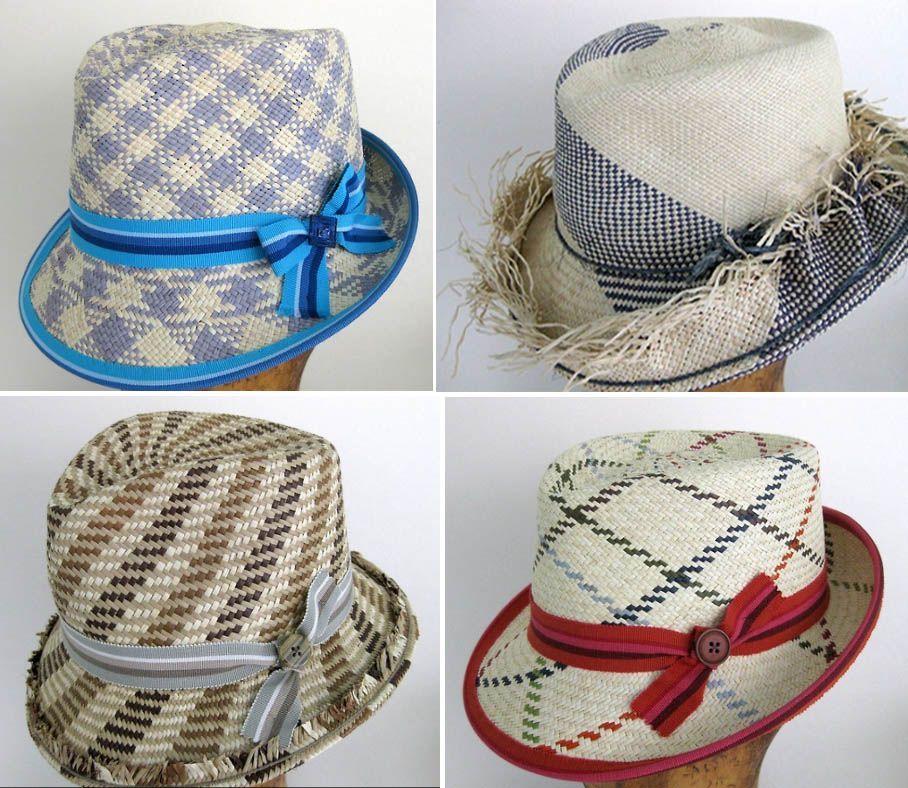
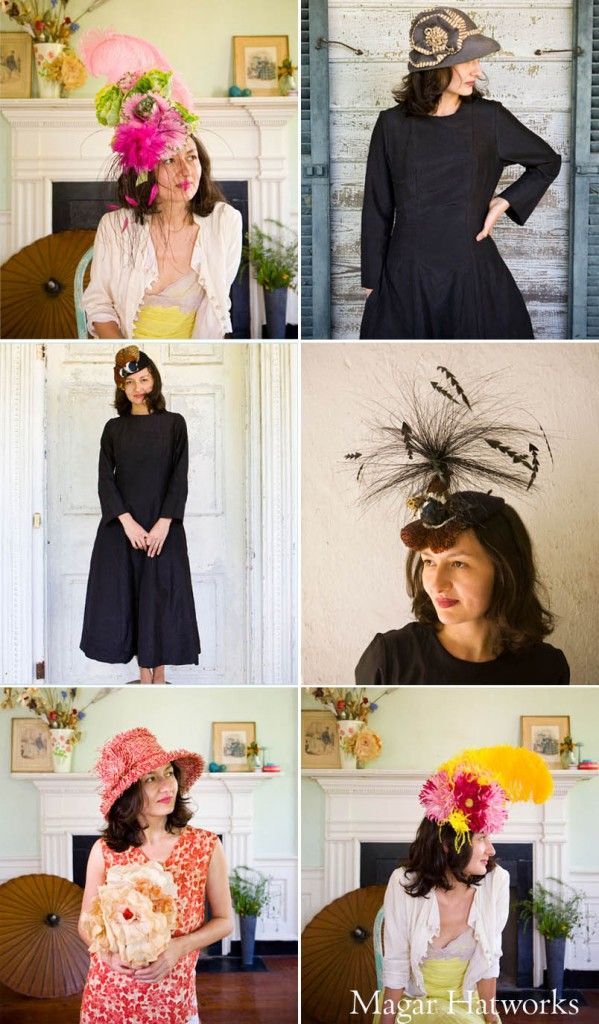
Adoro los sombreros. Me da igual que sean de paja o fibra, de fieltro o de tela, de primavera, verano, otoño o invierno. Me gustan grandes y pequeños, multicolores o de gran sobriedad. Pero sobre todo, me resulta fascinante la forma en que algunas mujeres (y sobre todo, algunos hombres) los llevan. Les admiro por su valentía a la hora de ponerse lo que les gusta -no todo el mundo se atreve, seamos sinceros-, y que no formen parte simplemente de la decoración de casa -por aquí tenemos una buena colección….-. Yo a veces también me arranco y he roto esa timidez hasta en momentos muy especiales…
Todos los sombreros y tocados que os traigo hoy aquí están hechos a mano en Charleston (Estados Unidos) por Magar Hatworks, una firma con regusto sureño que me recuerda a pelis como el Diario de Noa o El curioso caso de Benjamin Button (dos grandes historias de amor que os recomiendo ya!!). Yo me pido ese maravilloso panamá en tonos azules ¿De hombre? ¡pues eso!
Love hats. No matter if they’re small or big, multicolored or solid, made of natural fibres, fabric or felt. But what I love more about hats is seeing people wearing them. Mostly men. I have even wrestled with my kind of shyness and wore a hat, including very special moments in my life. All these hats and headpieces are handmade by Charleston based company Magar Hatworks. They remind me movies like The Notebook or The Curious Case of Benjamin Button… I can hardly say which design is my favorite (love them all) but maybe this blue and white panama hat would do it. Definitely.
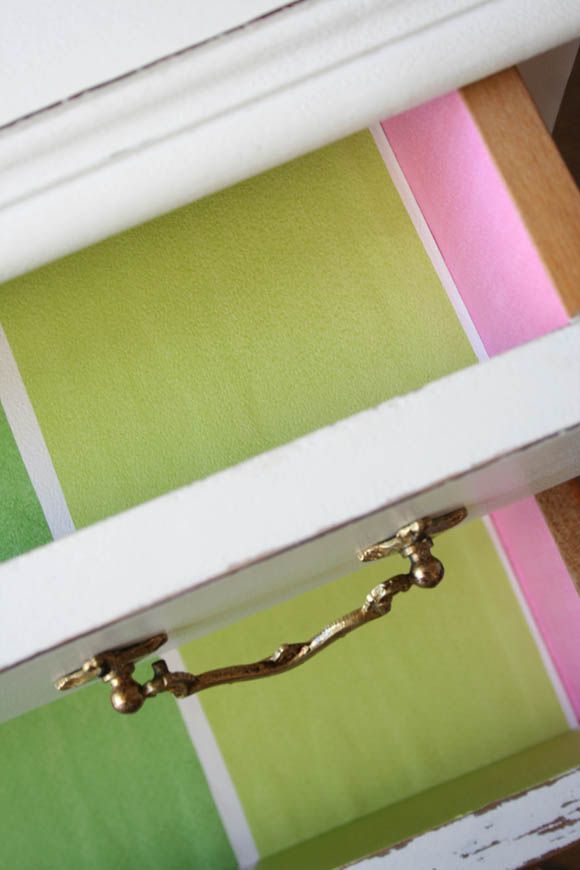
Ahí está el encanto. Simplemente con abrir el cajón. El mismo efecto que llevar una bonita lencería ;) [] … inside a drawer. The same effect as wearing nice lingerie… ;)
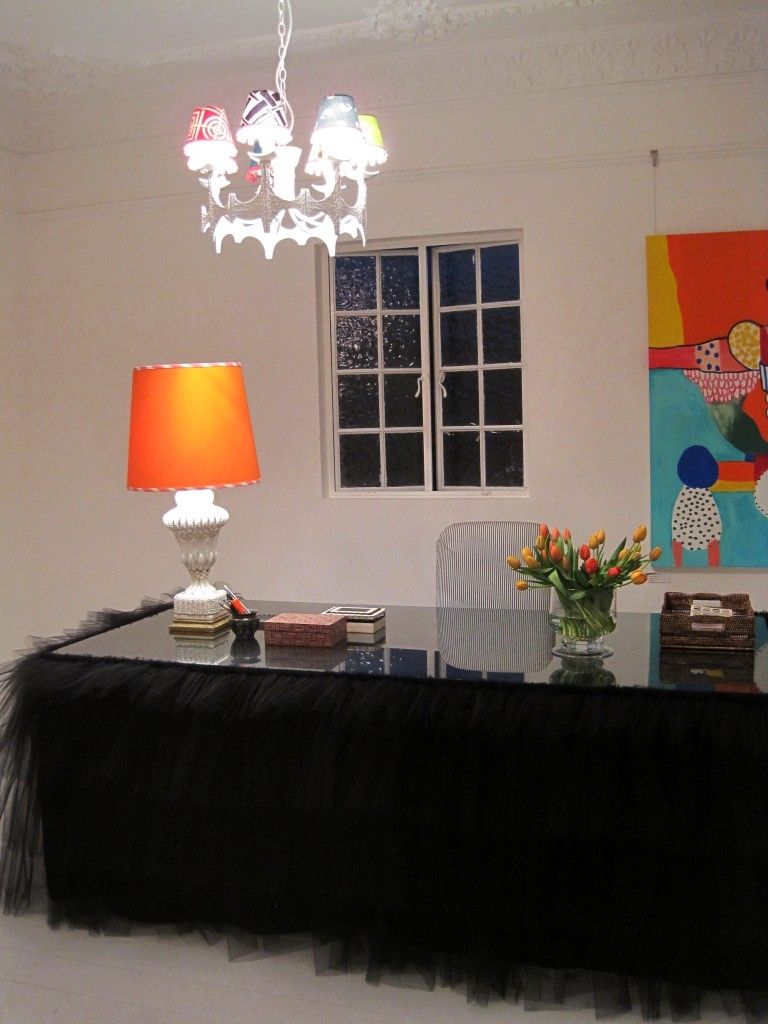
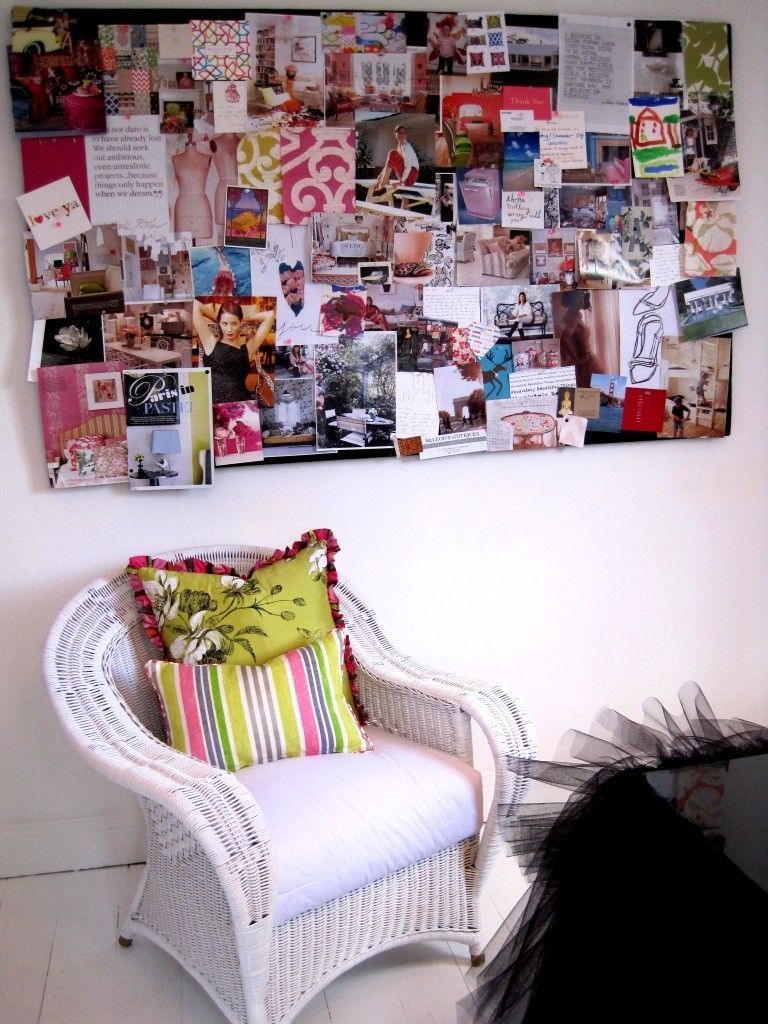
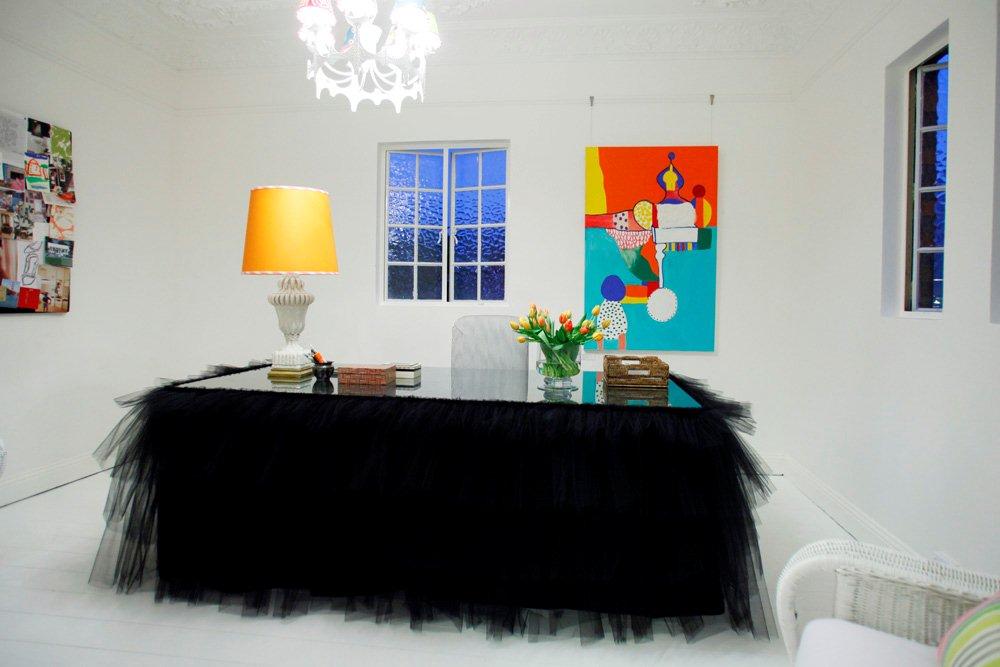
O como su creadora la define con muchísimo acierto «La mesa tutú». En fin, lo creáis o no, esto es un despacho de trabajo y a mí me parece sublime. Está en Brisbane (Australia) y forma parte de la remodelada tienda Black & Spiro de mi adorada diseñadora de interiores Anna Spiro. Me puedo imaginar una mesa así en un buffet super exclusivo (¿quizá la barra de bebidas en una boda?), en una tienda de ropa, de juguetes…¡de cualquier cosa! [] Or as her designer puts it: The tutu table. I adore this office. Yep, believe it or not: people work here. But no anyone, but one of my favorite interior designers: Brisbane based Anna Spiro and this is only a part of her new revamped store. I’m in love.
Un regalo para la vista (y supongo que también para el olfato dadas las dimensiones de ese gran ramo de flores frescas). Con los efectos de la pintura aún en mi cabeza después de andar trasteando todo el día de ayer entre brochas y disolventes, os diré que no me he olvidado que os debo un sorteo por la victoria de la selección, pero es que no sé que os puedo ofrecer que esté a la altura de las circunstancias. Pronto se me ocurrirá algo. Espero… [] A gift for the eyes, but maybe too for the nose, regarding to the XL size of this bouquet… I’m preparing a giveaway for this week to celebrate the victory of Spain in the Football world cup…
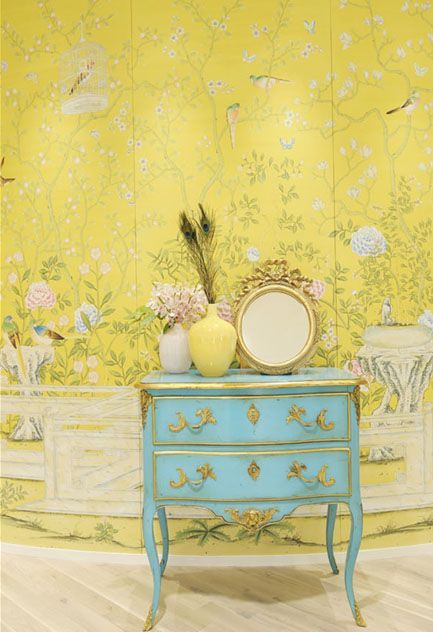
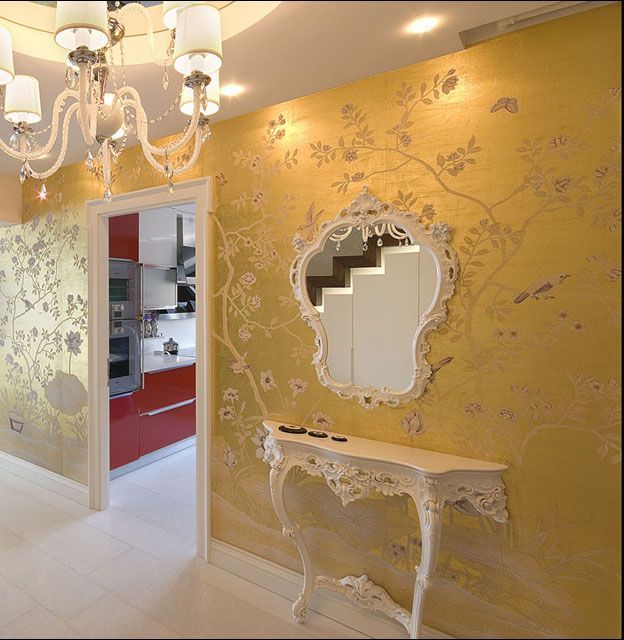
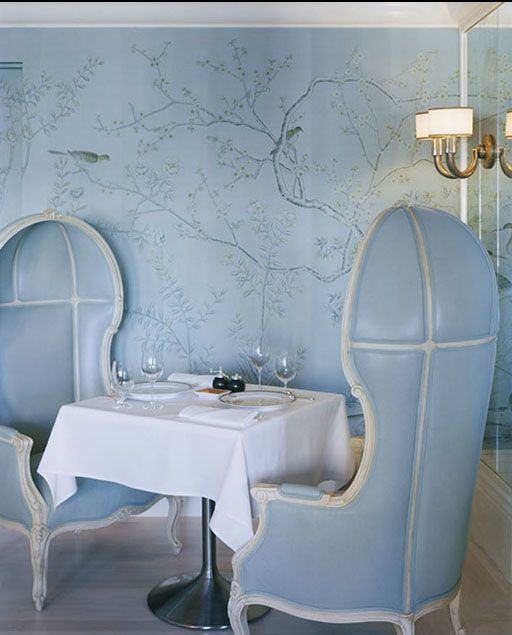
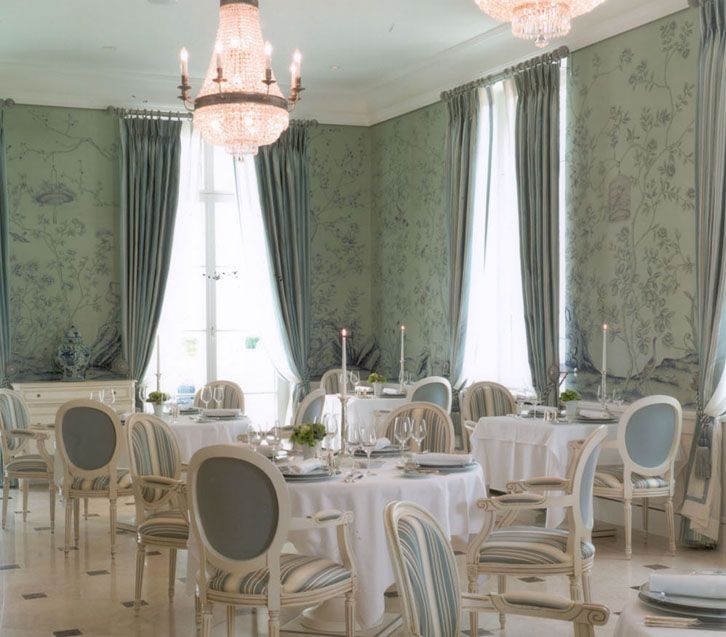
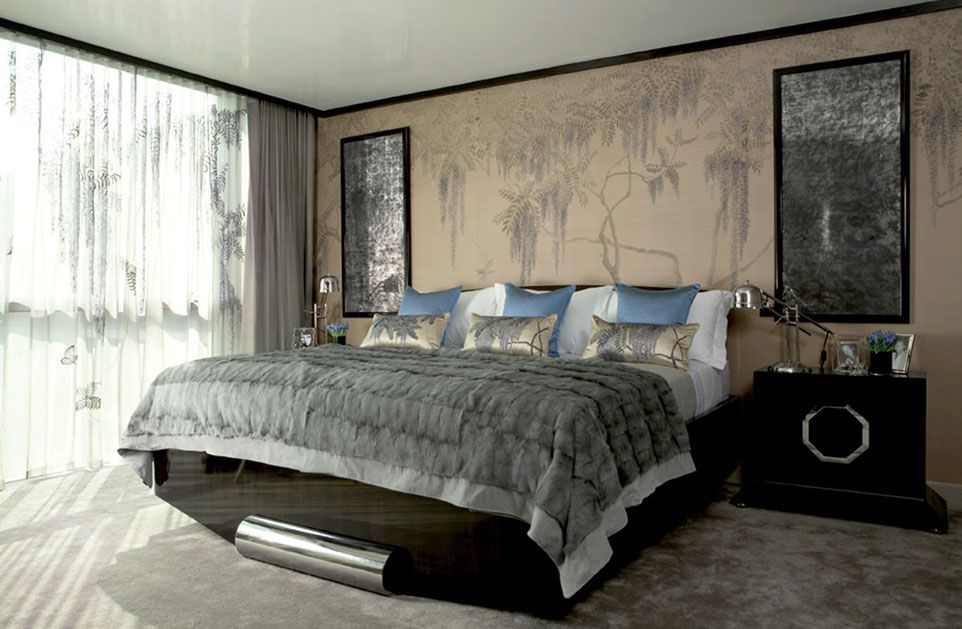
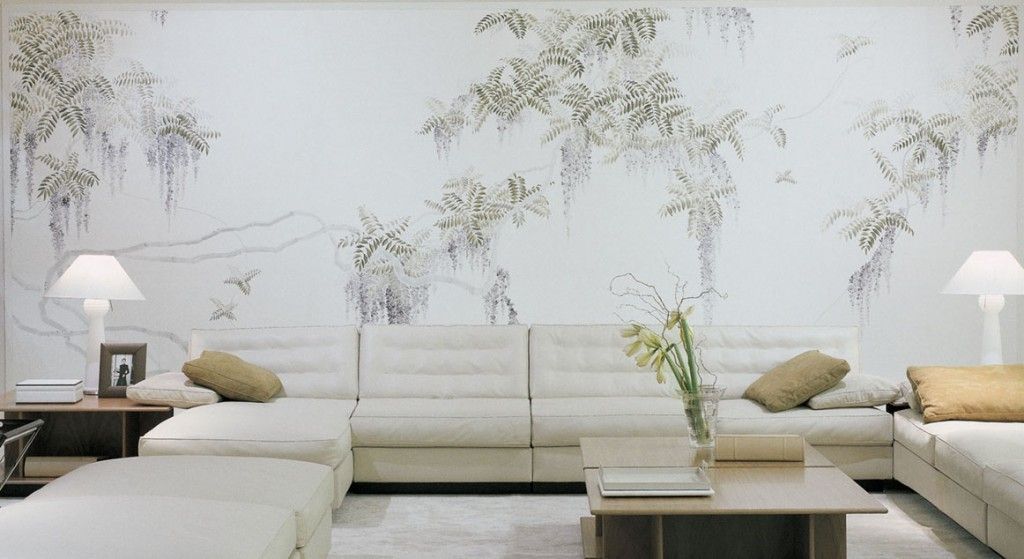
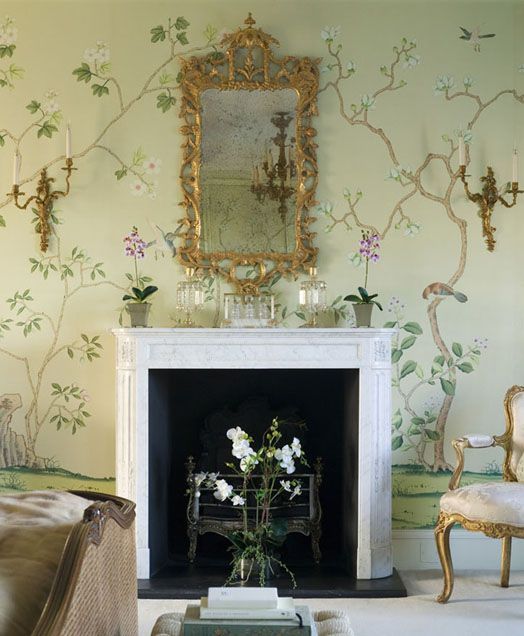
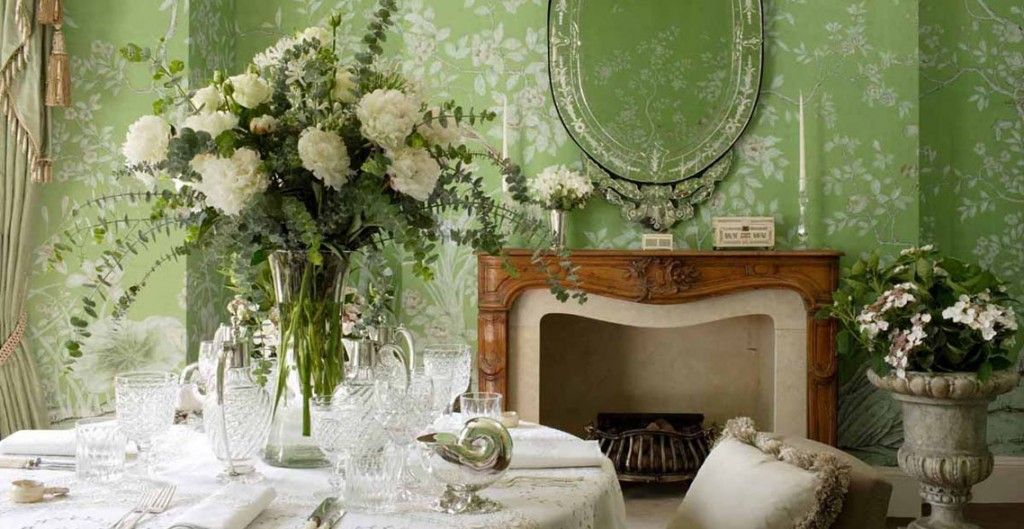
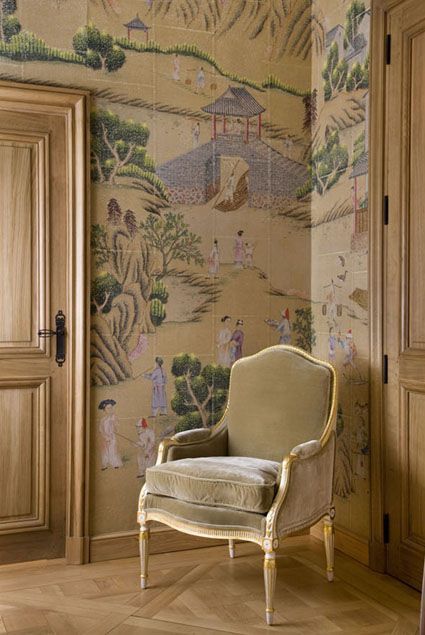
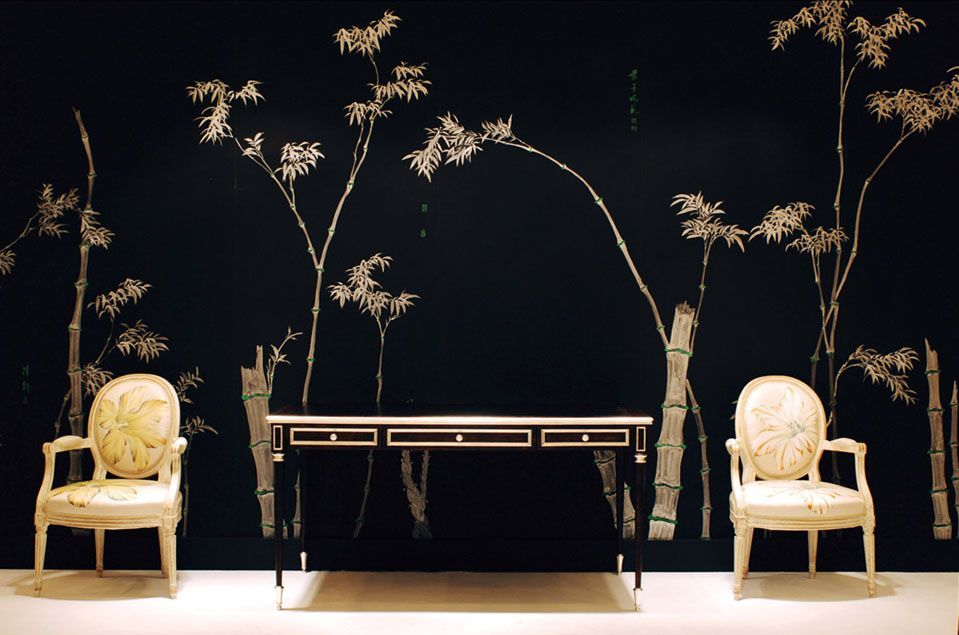
Hace poco que conocí la firma De Gournay, todo un mundo de exclusividad y lujo pensado para decorar los espacios más selectos. Papeles pintados a mano, sedas, porcelana… sólo los mejores materiales para unos clientes que buscan refinación y elegancia. Creo que esta galería de imágenes que he sacado de su web os darán una idea de lo que os hablo. Entre sus papeles pintados que dividen en Chinoiseries, Japoneses y Coreanos, Panorámicos y Eclécticos ¿?, me he quedado prendada de las chinoiseries (todos a excepción de las dos últimas propuestas, pertencientes a la serie dedicada a Japón y Corea) cuya historia os dejo traducida abajo -sacada de su web-. Quedan impresionantes allá donde los coloques, igual un salón, que un baño, que un restaurante o la entrada de casa. No, no conozco sus precios, pero en su web encontraréis un mail donde seguro que os informarán con todo lujo de detalles. Y cuando dijo lujo, quiero decir LUJO.
Today’s post is dedicated to the exclusiv, delicate and luxurious wallpapers by De Gournay. I’m in love with all these Chinoiseires (you can read their history at the end of this post) that give a shopisticated touch to any room where you put them, no matter if a kitchen, a livingroom or even a bathroom. All belong the Chinoiseries series, excepting for the last two images, featuring designs from the Japanese & Korean collection. Gorgeous, aren’t they?
Aquí os dejo la Historia de las Chinoiseries (uso de papeles pintados con motivos orientales) contada por De Gournay:
«Las compañías de las indias orientales empezaron a comerciar en el siglo XVII y para el inicio del S. XVIII Europa ya estaba fascinada por todo lo oriental. Algunos artistas europeos empezaron a viajar a Oriente y a pintar acuarelas y publicarlas en libros, lo que permitió a la gente descubrir por primera vez los edificios hechos por el hombre, los paisajes y la flora y fauna del Este.
Sobre el año 1700 los primeros papeles pintados fueron llevados desde China por la Compañía de las Indias Orientales y pronto fueron conocidos como los «papeles de la India». Entre esa época y los principios del S. XIX, la mayoría de las cabezas coronadas europeas ya habían creado sus propios interiores orientales para albergar las colecciones de objetos traídos desde el lejano oriente por la Compañía de las Indias Orientales y otros comerciantes y aventureros.
Drottningholm, The Brighton Pavilion, Sans Souci, Schloss Wörlitz, Charlottenburg y Oranienbaum son algunos de los palacios donde aún es posible disfrutar de esos maravillosos papeles. De Gournay continúa la tradición de usar Chinoseries, que alcanzó su cima allá por 1760 cuando Thomas Chippendale adquirió papeles pintados chinos para decorar el interior del Nostell Priory en el norte de Inglaterra. Usando las mismas técnicas del s. XVIII, De Gournay…»
History of Chinoiseries told by De Gournay:
«The East India companies started trading in the 17th century and by the beginning of the 18th century Europe was fascinated by all things from the orient. European artists started to go to the Orient and paint watercolours and publish books of hand-coloured aquatints, which enabled people to see for the first time the man-made structures as well as the flora and fauna and landscapes of the East. Around 1700 the first wallpapers were bought back from China by the East India Company and soon became known as ‘India’ papers.
Between then and the early 19th century most of the crowned heads of Europe had created their own Chinese interiors to house the collections of Far Eastern artefacts brought back by the East India Company and other traders and adventurers. Drottningholm, The Brighton Pavilion, Sans Souci, Schloss Wörlitz, Charlottenburg and Oranienbaum are some of the palaces where you can still see these wonderful papers.de Gournay is continuing this tradition of using Chinoiserie that reached its height around 1760 when Thomas Chippendale purchased Chinese wallpapers for the interior of Nostell Priory in the North of England.
Using the same techniques as in the 18th Century, de Gournay is uniquely placed to create the highest quality wallpapers, curtains, porcelain and blinds enabling you to create your very own exotic Oriental interior. We are continually adapting and colouring our bird and flower designs to fit all kinds of surroundings. Our aim is to bring colour and happiness to your home.»
This website uses cookies to improve your experience while you navigate through the website. Out of these, the cookies that are categorized as necessary are stored on your browser as they are essential for the working of basic functionalities of the website. We also use third-party cookies that help us analyze and understand how you use this website. These cookies will be stored in your browser only with your consent. You also have the option to opt-out of these cookies. But opting out of some of these cookies may affect your browsing experience.
Necessary cookies are absolutely essential for the website to function properly. This category only includes cookies that ensures basic functionalities and security features of the website. These cookies do not store any personal information.
Any cookies that may not be particularly necessary for the website to function and is used specifically to collect user personal data via analytics, ads, other embedded contents are termed as non-necessary cookies. It is mandatory to procure user consent prior to running these cookies on your website.